
[Phone number] [Email address]
HUD Section 8 · 221(d)(4) · 223(f) · 231 · 232 · 811

The first 90 days decide the next five years.

A controlled engagement for low occupancy, down units, deferred maintenance, lender pressure, and ownership fatigue — built around a documented sequence, not a rescue story.

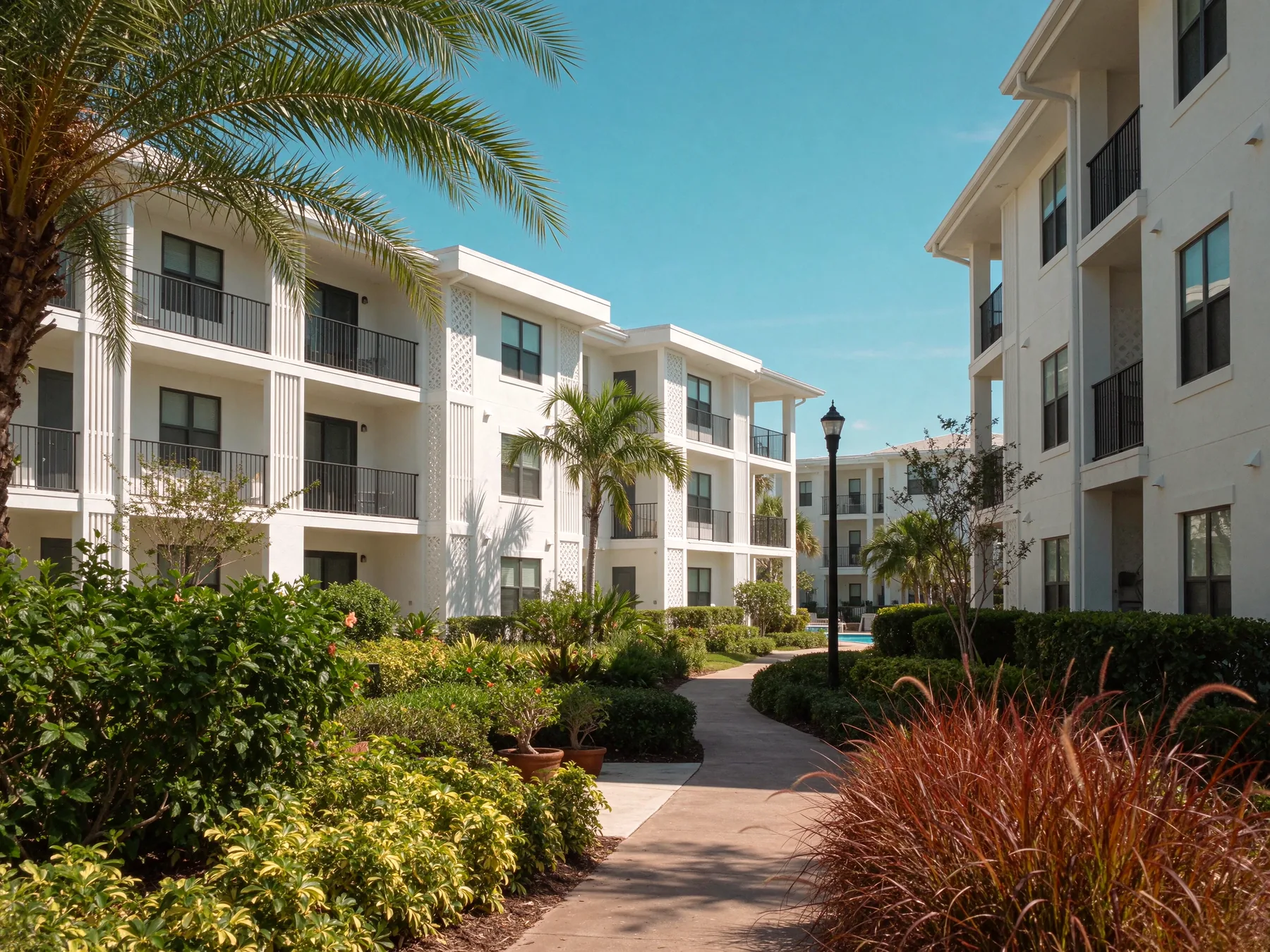
A modern garden-style apartment community with white buildings, balconies, and palms.

We engage before we make promises.

An engagement starts with facts: the rent roll, the T-12, the delinquency, the work orders, the vendor contracts, the compliance files, and the lender’s covenants. We do not build a budget on the previous owner’s assumptions.

The first two weeks are about control. The next ten are about rebuilding the operating system around what the property actually is.

  • A written engagement plan before Day 1
  • On-site leadership and a clear chain of command
  • Owner and lender reporting from the first month
  • A 90-day exit gate that can be measured
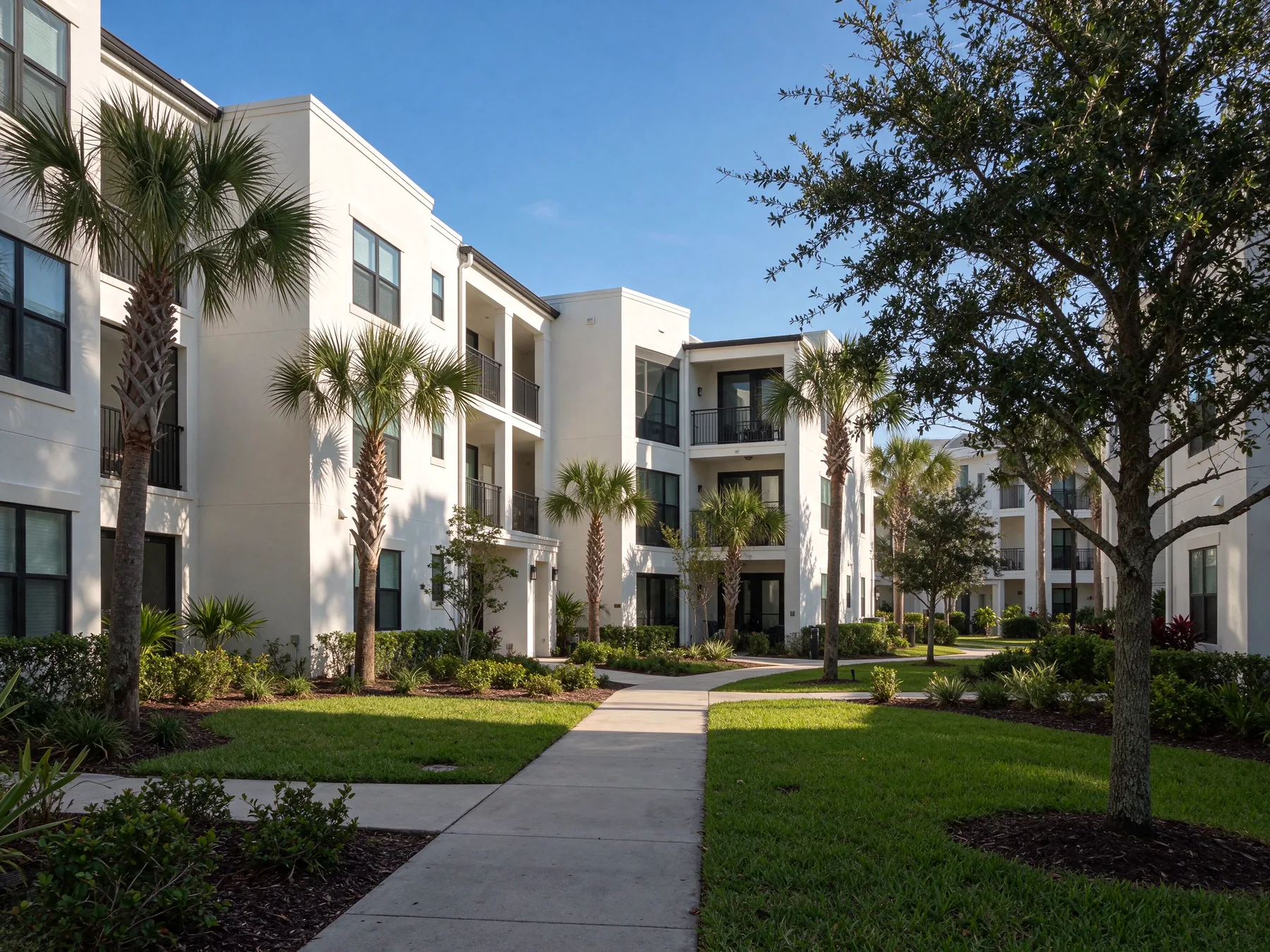
A clean modern apartment community with white stucco buildings, palms, and a landscaped walkway.
Days −30 to 0

Forensic due diligence

Read the rent roll, T-12, delinquency, work orders, vendor contracts, compliance findings, and lender covenants. Identify what is broken, what is merely noise, and what must be fixed first.

Exit gate: a written engagement plan and a Day 1 priority list.

Days 1–14

Engage

Install on-site leadership, secure records and access, stabilize safety-critical systems, and communicate clearly with residents, staff, and vendors.

Exit gate: no orphaned operations.
Days 15–30

Stabilize the base

Tighten collections and leasing, close urgent work orders, hold vendors accountable, and restore the visible standards that tell residents and prospects the property is being run.

Exit gate: a working operating cadence.
Days 31–60

Rebuild the system

Rebuild the budget, staffing model, preventive maintenance plan, compliance files, and unit-turn process around the actual asset — not last year’s assumptions.

Exit gate: a budget and staffing model that matches the property.
Days 61–90

Optimize

Refine pricing and renewals, pursue appropriate ancillary income, sequence capital work, and give ownership a reporting package that shows where the property is going.

Exit gate: a 12-month plan the owner can hold us to.
Day 90+

Institutionalize

Monthly reporting, file audits, staff training, owner reviews, and a repeatable operating rhythm. The goal is performance that survives a change in personnel.

Exit gate: a property that no longer depends on heroics.

Our performance standards

The targets every property we manage is held to.

Physical Occupancy≥ 95%

Portfolio minimum standard

Rent Collections≥ 97%

Third-party AR target

Resident Retention≥ 60%

Annual lease renewals

Work Order SLA< 72 hrs

Average completion

Inspection Pass≥ 95%

NSPIRE first-visit rate

Targets, not achieved results.

What we measure when the property is under pressure.

The scorecard is intentionally small. If these six areas are not under control, the rest of the operating plan is noise.

OccupancyStabilize the trend

Leasing, renewals, concessions, and resident retention.

DelinquencyCollect and document

Follow-up, payment plans, and consistent ledger discipline.

Work ordersClose the backlog

Triage, vendor accountability, and preventive maintenance.

Unit turnsReduce vacancy loss

Make-ready standards, scheduling, and quality control.

ComplianceKeep files audit-ready

Recertifications, inspections, and program documentation.

ReportingGive the owner a clear picture

Monthly financials, operating narrative, and next actions.

The operating doctrine behind the first 90 days.

Four rules shape every engagement. They are simple enough to repeat and specific enough to audit.

01

Control the facts

No budget, promise, or press release before the rent roll, work orders, and lender obligations are understood.

02

Stabilize the base

Safety, collections, leasing, and work orders come before amenities, campaigns, or cosmetic capital.

03

Build the cadence

The property must be able to run on a Monday morning without the founder on site. Systems outlast heroics.

04

Report plainly

Owners and lenders get the good, the bad, and the next action. No surprise at the end of the month.

Owners get a single operating picture.

During a turnaround, owners are often managing a lender, a vendor, a resident issue, and a capital problem at the same time. We replace the fragmented updates with one operating view.

  • Monthly financial and operating reporting
  • Lender covenant and compliance tracking
  • A current capital and maintenance priority list
  • A clear decision log and next-action list
Discuss your situation
A bright apartment community clubhouse conference room with a wood table and courtyard views.
The objective of the first ninety days is not perfection. It is the decisive reversal of negative momentum.
Richard P. Thayer · Founder, Ocean Breeze Management

The first conversation can be confidential.

Tell us what is happening at the property, who is involved, and what outcome you need. We will tell you whether an engagement is the right next step.

Confidential. No obligation.