
Daily operations
On-site leadership, staffing, staff training starting on Day 1, resident communication, vendor management, and a clear chain of command.
Full-service management for affordable, workforce, senior, assisted living, and build-to-rent communities — with the operations model and systems to keep them stable.
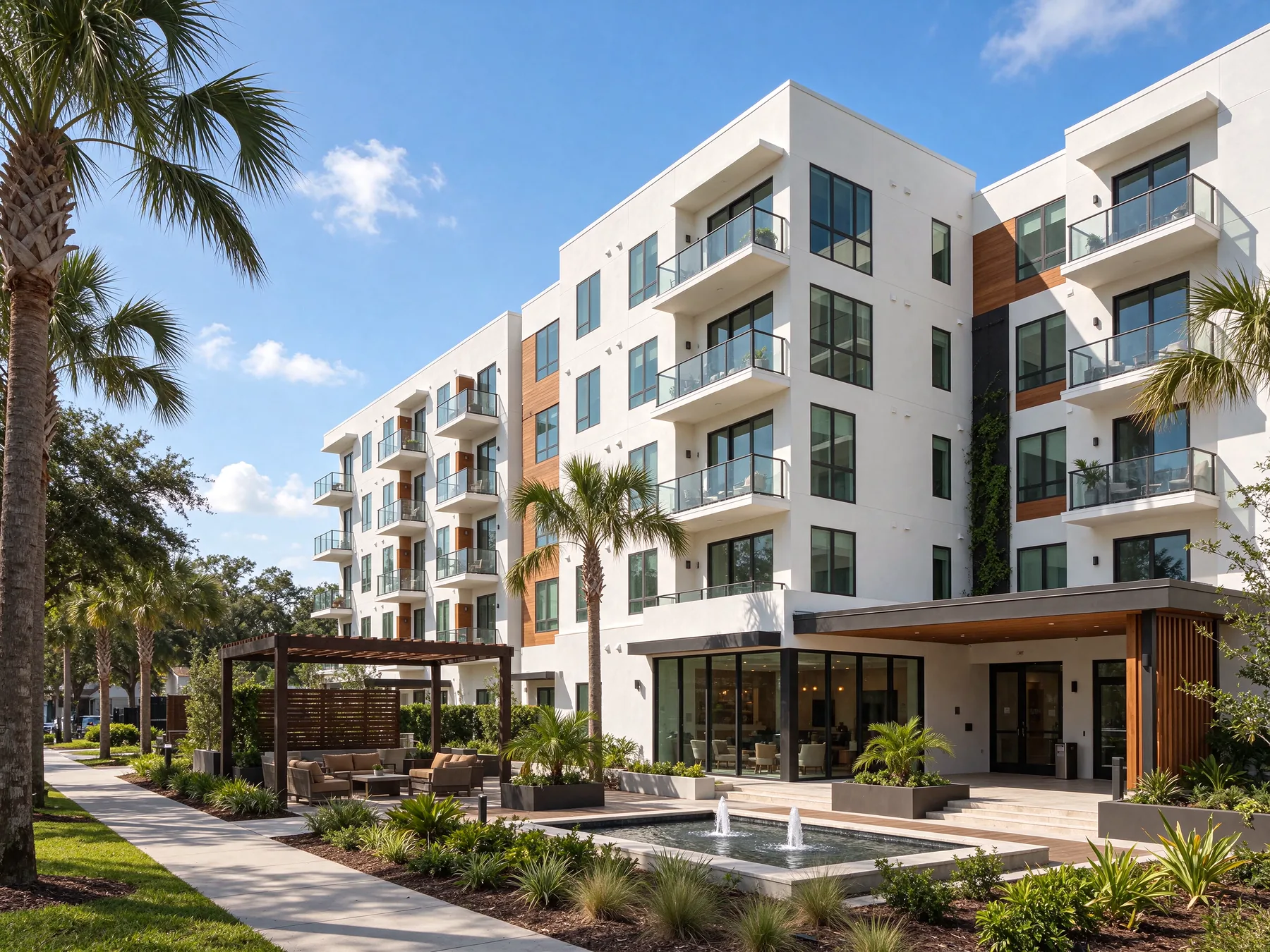
We do not arrive with a generic staffing chart and a standard marketing package. We read the property, the program, the residents, and the owner’s obligations — then build the operating plan.
On-site leadership, staffing, staff training starting on Day 1, resident communication, vendor management, and a clear chain of command.
Financial separation, third-party accounting, cash management, budget discipline, delinquency follow-up, and owner reporting.
Subsidized rents, outreach, follow-up, renewals, and a leasing process that reflects the actual property and market.
Work-order control, preventive maintenance, unit turns, curb appeal, and capital planning.
HUD files, recertifications, lender covenants, inspections, and audit-ready documentation.
Fair housing, service standards, accessibility, tenant involvement, community events, and the daily details that protect occupancy.
The manager is not the rent collector or the ledger owner. Separating these items is deliberate, and it produces five results.
The manager recovers 20 to 30 hours per week of productive capacity, roughly half of all working time, that is redeployed toward occupancy growth, leasing intensity, maintenance efficiency, vendor oversight, and community leadership.
Residents experience the property manager as an advocate, listener, and community steward rather than as the person threatening their housing. The psychological distance between relationship manager and rent collector is preserved, materially reducing hostility and increasing voluntary cooperation.
Collections improve, not decline: a professional AR/AP desk operates with disciplined cadence (reminders, payment plans, formal notices, legal referrals) that an overburdened on-site manager simply cannot sustain.
Separating custody of funds from custody of records creates fundamental internal control, virtually eliminating the cash-skimming, rent-diversion, and phantom-vendor fraud that disproportionately affect distressed properties.
Owners and lenders receive reconciled, audit-grade financial statements by the 15th of each month, restoring the credibility required to refinance, attract partners, or secure agency approvals.
When occupancy is soft and the physical asset is tired, the first job is control. The second is a sequence that restores collections, leasing, work orders, and confidence in the same order every time.
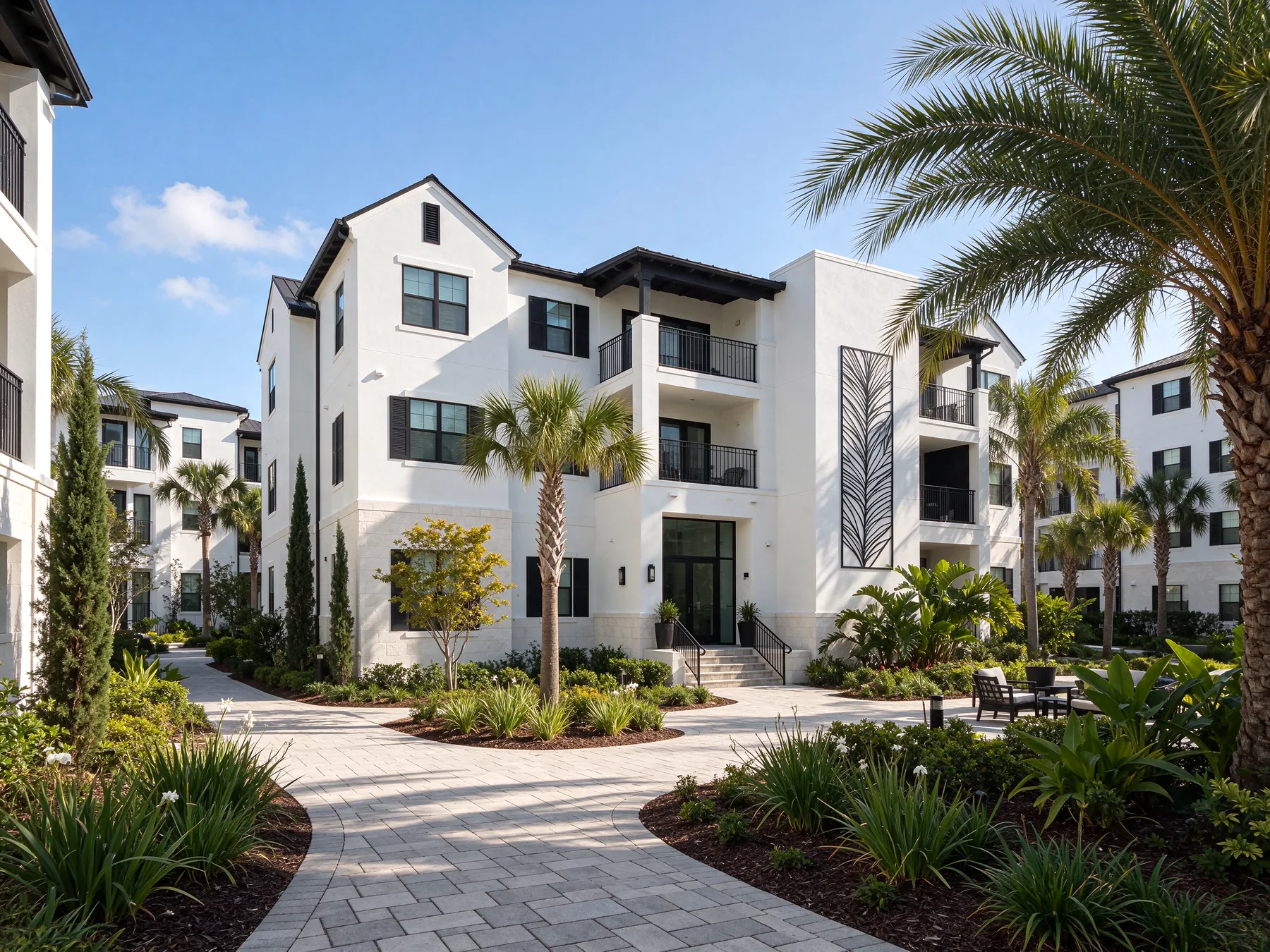
The program rules, lender covenants, and reporting deadlines are not administrative afterthoughts. They shape the budget, the staffing plan, and the daily work.
Project-based rental assistance or vouchers
HAP contract, recertification, rent reasonableness, and file discipline.
Insured financing through construction and lease-up
Draws, lease-up reporting, lender covenants, and a stabilization plan.
Existing multifamily with moderate repairs
Underwriting support, repair scope, and post-closing operating discipline.
Rental housing for older adults
Service coordination, accessibility, and age-qualified occupancy.
Assisted living, memory care, and nursing facilities
Licensing, care-adjacent operations, and specialized reporting.
Independent living for persons with disabilities
Project rental assistance, care coordination, and resident support.
We are not a government agency. Program eligibility, underwriting, and approval remain with the owner, housing authority, and the lender. We operate within those requirements and keep the property ready for the next review.
Talk to our teamOur operating model is designed for affordable, workforce, and mixed-income housing. Eligibility, rents, and program rules are confirmed property by property.
Deep subsidy, project-based assistance, and supportive housing environments.
Affordable and workforce communities with layered compliance requirements.
Mixed-income and workforce housing where operations and rent discipline meet.
Higher-band workforce housing that still depends on tight operating controls.
Income limits vary by program, market, household size, and regulatory agreement. We confirm the applicable rules before we quote rents, process a file, or commit an owner to a plan.
Explore HUD expertiseAge-qualified housing is not conventional multifamily with a different lease. Accessibility, service coordination, resident safety, family communication, and care-adjacent operations all change the daily rhythm.

Build-to-rent and lease-up assets bring a different set of problems: construction punch lists, warranty issues, untested leasing assumptions, amenity operations, and a lender watching every week of lease-up.
We take the asset from delivery to a stabilized operating cadence — with the reporting and controls a 221(d)(4) or 223(f) lender expects.
Discuss a BTR asset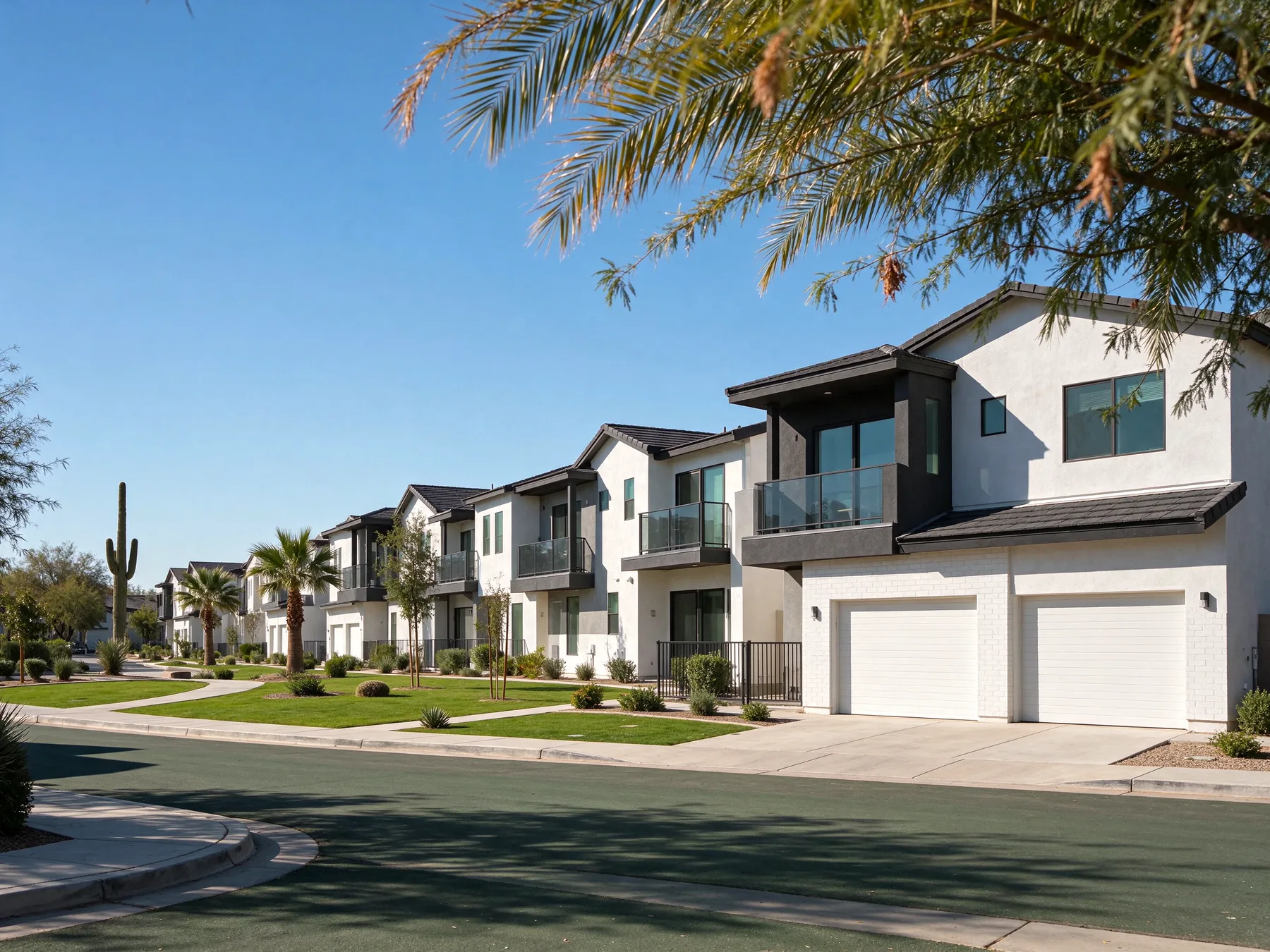
Unit release order, pricing tests, concessions, outreach, and weekly absorption reporting.
Punch lists, warranty coordination, turn standards, and a unit that is ready when the lease starts.
Pools, fitness, common areas, access control, and the service standards that support rent.
Move-in communication, welcome process, maintenance access, and early retention.
Lease-up metrics, draw support, covenant tracking, and a clean reporting package.
A budget, staffing model, and operating cadence that can hold performance after lease-up.
Tell us what is happening at the asset. We will review the operating, physical, and financial pressure and respond with a clear next step.
Confidential. No obligation.